In my last post, I wrote about the setting for my new novel The House on Devil’s Lane, and how I was inspired to cross the border for the location.
The House on Devil’s Lane is available to pre-order HERE. Ebook and paperback will be released on 24/09/24

The main ‘character’ in the novel is, of course, Kat’s strange new home, and people often ask me if I have ever lived in a haunted house. Well, it all depends on what you believe ! I can confirm that I have experienced occurrences that I find hard to explain.
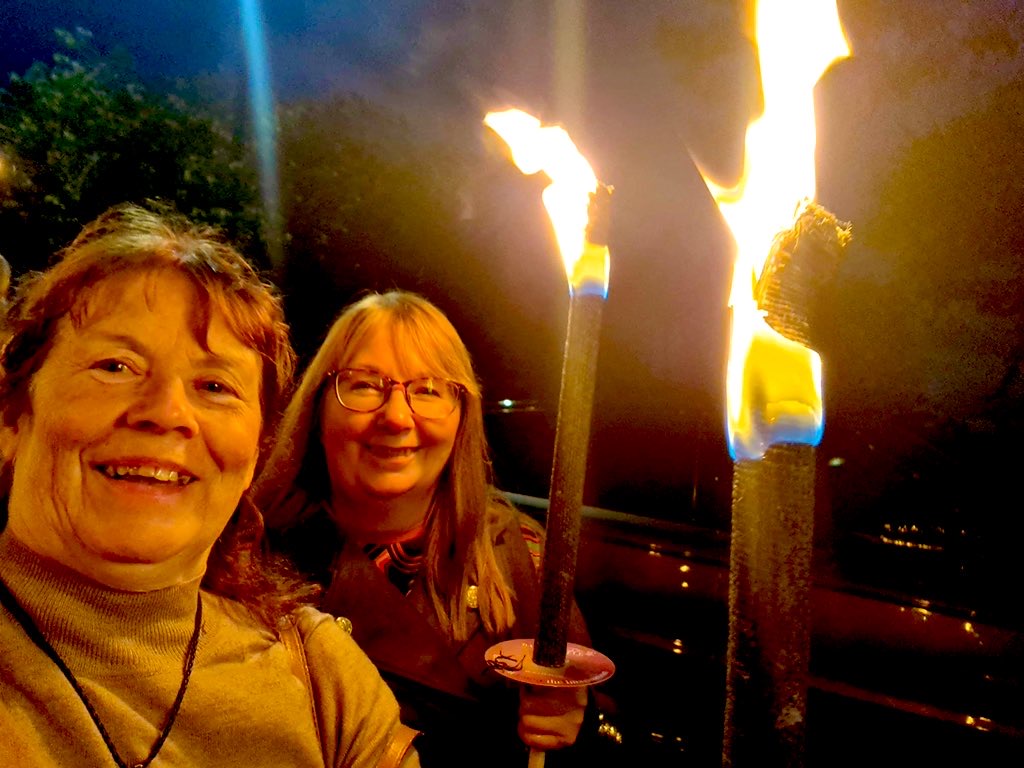
When I lived in Ireland, for example, we renovated a 300-year-old farmhouse in rural Limerick called Victory Hall. If any property was going to have an uncanny presence, it was going to be this one, right?! It certainly had a fascinating tale to tell. According to local legend, it had once been a parochial house, but the incumbent priest had committed a sin so grievous (I never found out what it was) that he was visited in the night by a furious mob, armed with blazing torches and pikes (hayforks). They evicted him from the house and marched him down to the river, presumably with the intent of drowning him. He survived, but lost his parish and was condemned to live out his days in a hut down by the very water that could have ended his life.
The ghost of a black-garbed man was said to pace the grounds of Victory Hall, pleading to be let back in to the house, but I never saw anything. We had to completely gut the place, and many ‘ghost’ artefacts came to light. The leather cover of a Bible, a part of a saddle, and so on, all helping to fire the imagination. On dark nights the blackness was absolute, with only a sole farmyard light flickering across the valley. Standing outside, you could hear all manner of rustlings and scratchings in the hedgerow, and even inside, the old timber would creak as it came to rest in the cool of the night. On the whole, the place had a rather peaceful air about it.
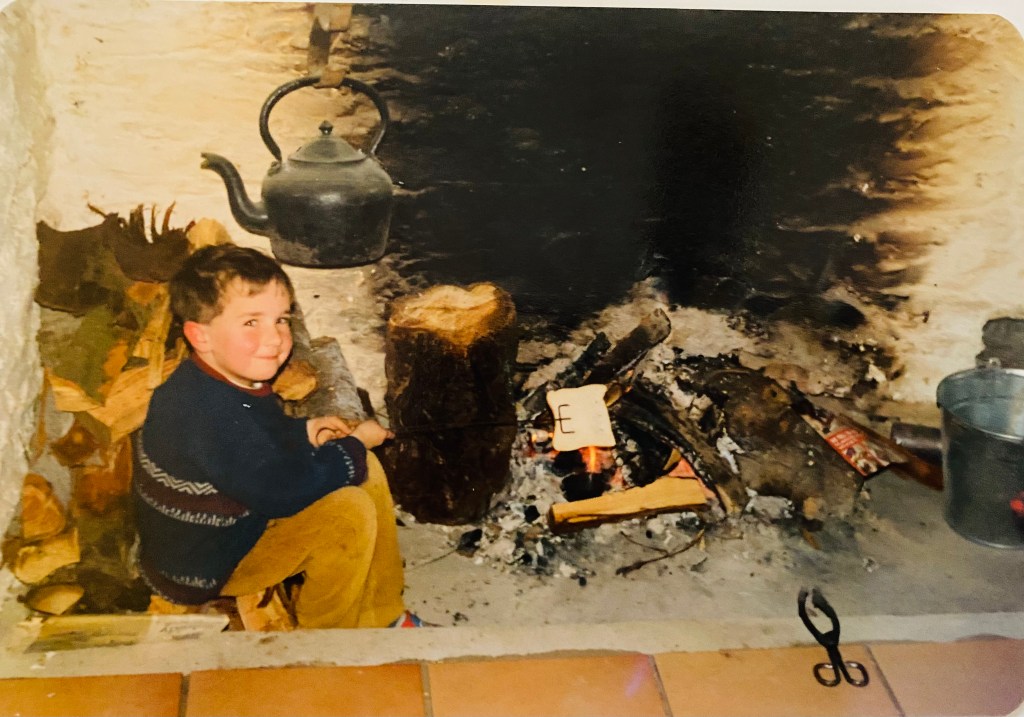
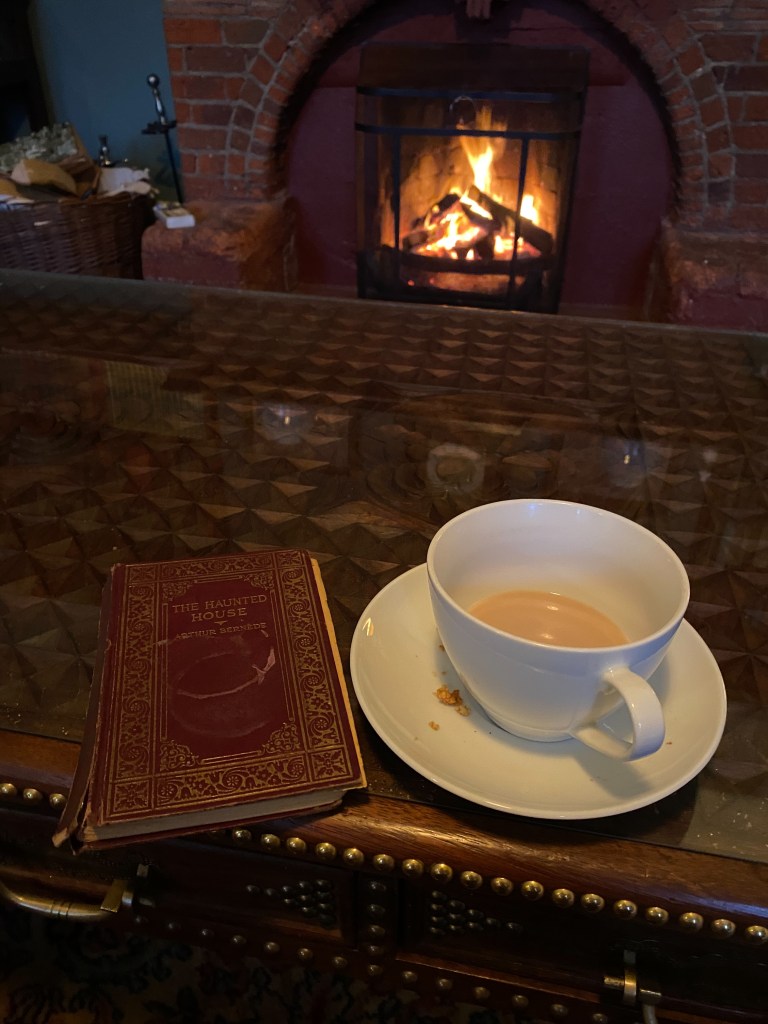
The great open fire in the kitchen was the perfect place around which to spin a yarn on a winter night, and I often wonder how many tales it had witnessed.
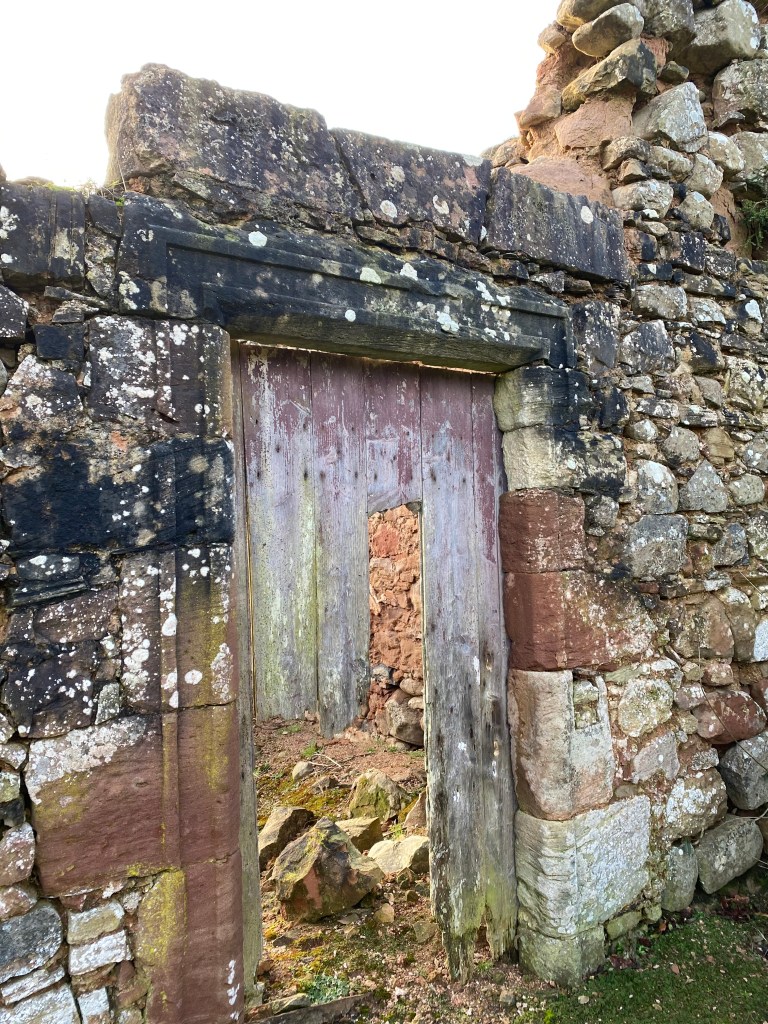
However, two strange things did stand out for me during our time there. Scratched into the lintel of the kitchen door were the letters WW, which I later discovered were not the priest’s initials, as I had assumed, but interlocking Vs, referring to the Virgin of Virgins. They were witchmarks, ancient graffiti calling upon the Virgin Mary for protection against evil. Were they there to keep the priest out?
Check out my fourth novel Sight Unseen to see where that idea led me! Honestly, no detail is ever wasted when a writer is around! You can find it HERE
The second thing? My youngest son, then around 3, called me over to the window one day, claiming to have seen ‘a man in a long black cloak’ crossing the yard. The house was accessible only by a driveway- one way in and one way out. No one had knocked on the door and I wasn’t expecting visitors. My scalp prickled. With two under- fours in the house, I was always on high alert. I ran outside, but there wasn’t a soul to be seen…
What had he seen? You tell me!
More tales from my current home next time! If you would like to subscribe to my mailing list please click HERE. It is quite occasional, but you can catch up on all my workshops and book news, and I also do a writing prompt in each edition. The perfect excuse to sit down with a cuppa and a notebook!







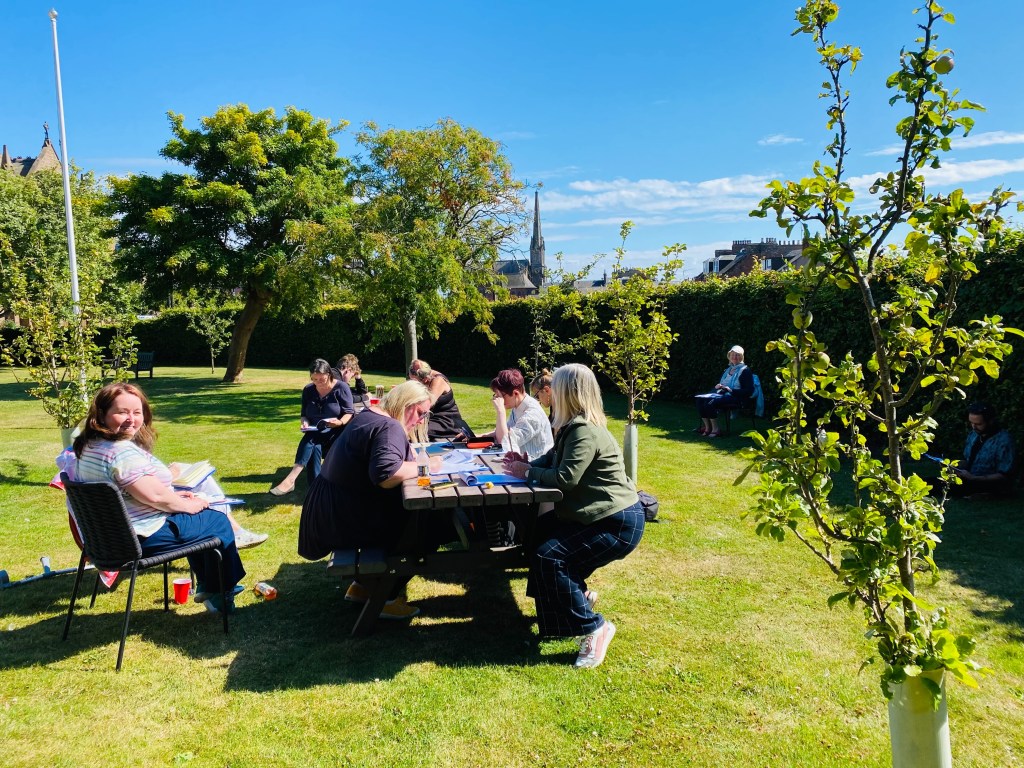



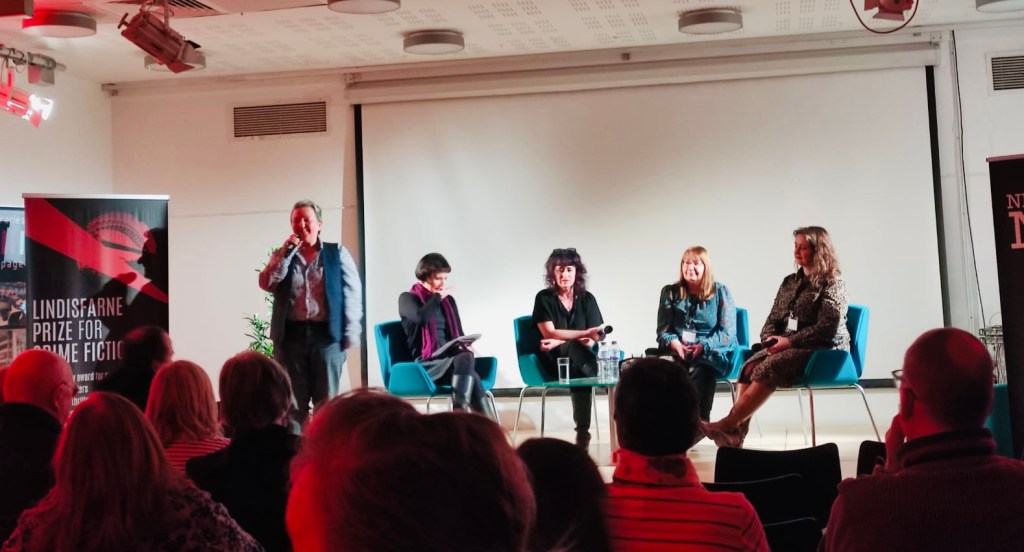

 heritage of Angus, where the retreats would be held, and celebrating the idea that, for one weekend at least, the clock would be stopped. We even had a tagline, ‘Press pause in the heart of Angus.’!

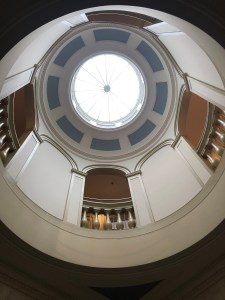 Newall for a local solicitor, Robert Threshie in 1823. The house and garden were in private ownership from 1823 to 1914. The house then became a nursing home which closed in 1997. Thereafter it fell into disrepair and was subsequently purchased by a local housing association. In August 2009, Moat Brae House was due to be demolished to make way for new social housing.At the eleventh hour, it has been saved for the nation and is well worth a visit.


 Charmingly preserved, you can see lots of memorabilia connected with the author, and some delightful quotes and photographs. Barrie returned to the cottage before his death in 1937, to have one last look at his old bedroom. The then owner was surprised but delighted to welcome him in to his old home and a poignant photograph commemorates the visit.


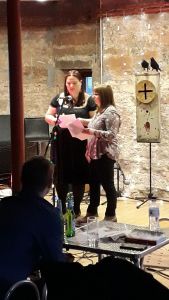


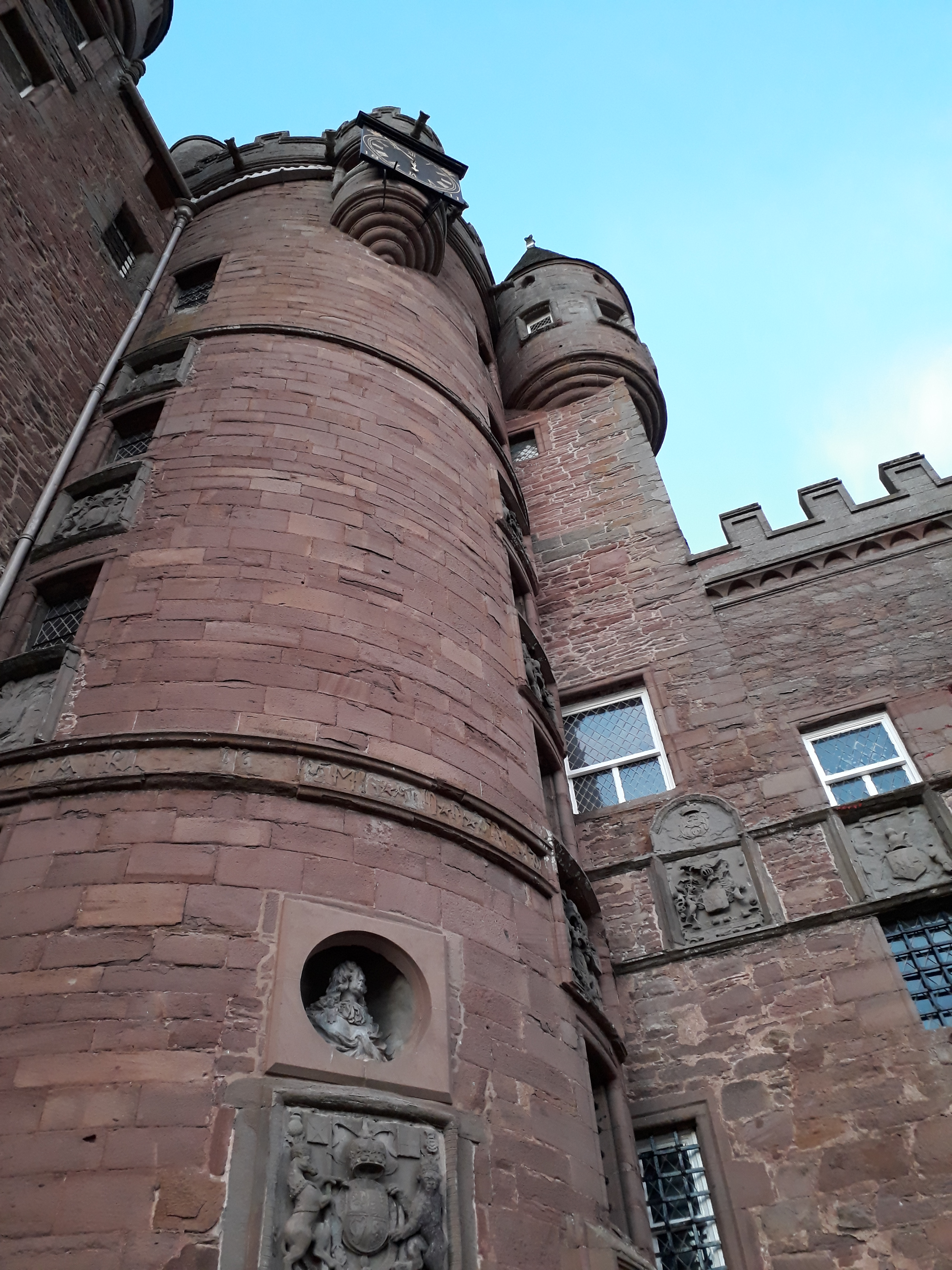


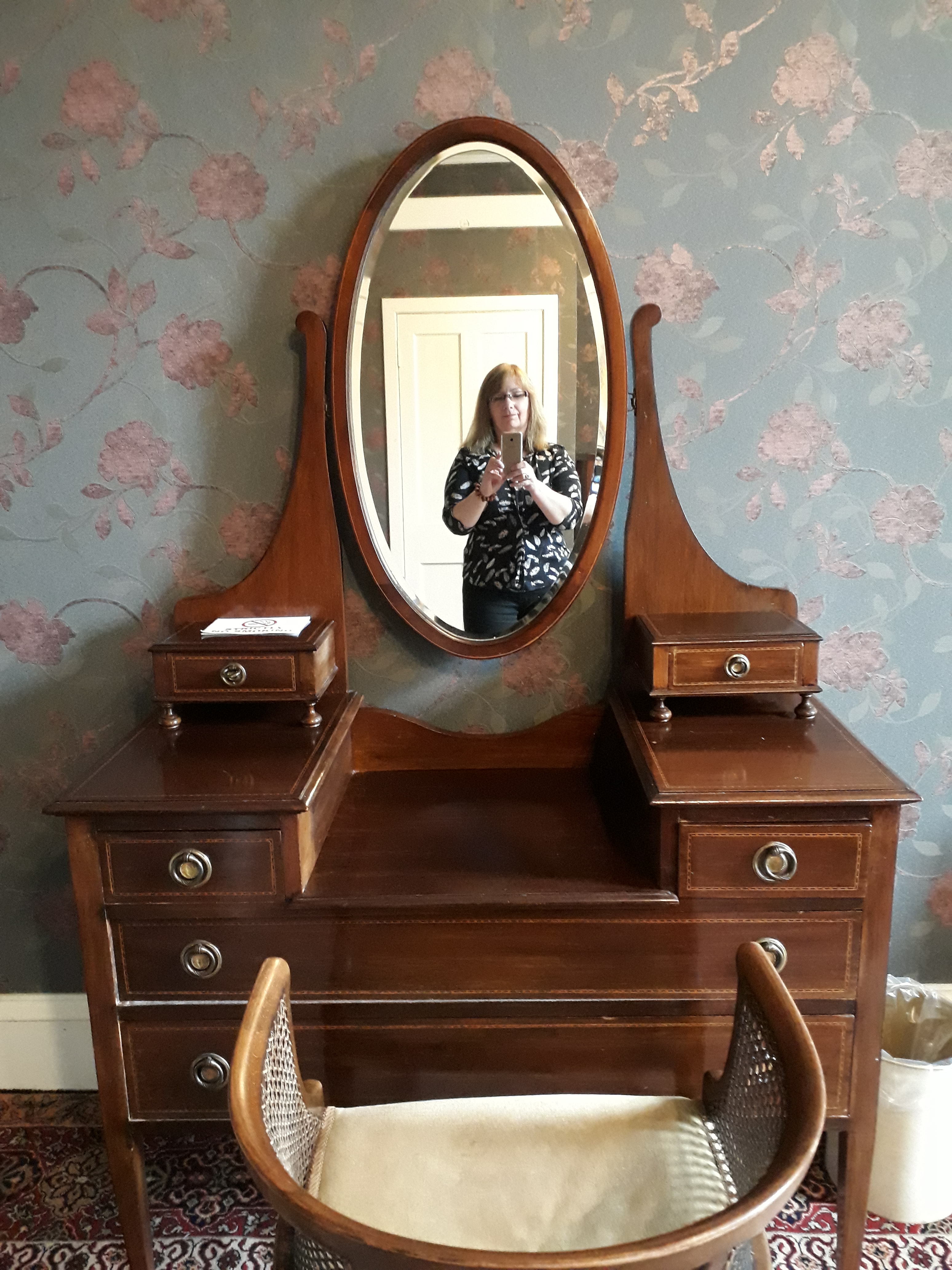
 We began our stay with a wander round the grounds, beneath Scots pine and willow, through drifts of bluebells. We passed the 18th c. ice house, and climbed ancient stone steps that lead to nowhere. Afterwards, we relaxed in the parlour and wrote, fuelled by endless coffee (the family who run the hotel are SO understanding!) and, I admit, a bottle of wine. After a delicious meal – served in the parlour, no cooking, no washing up!- we wrote some more, shared some ideas and climbed the amazing Gothic staircase to bed.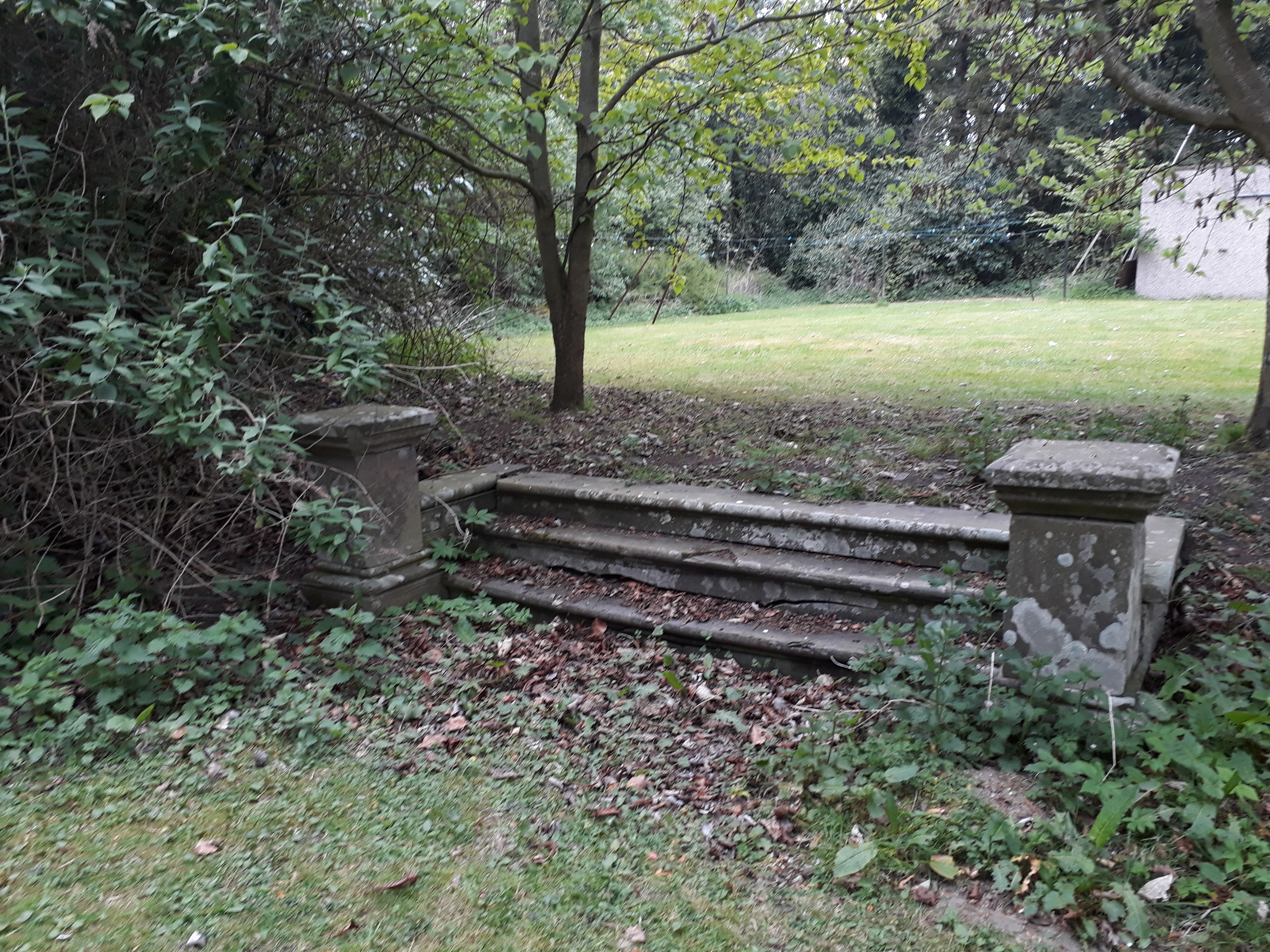


 Sandra Ireland